Transportation
Transportation emissions stem from the use of gasoline in employee commutes (41.8%) and the County’s vehicle fleet (12.7%). Transitioning away from gasoline in transportation will require the adoption of zero-emissions vehicles across the County’s fleet of vehicles and forward-thinking initiatives to envision the future of work for County employees. Presented below are the climate objectives and actions that are designed to reduce emissions from employee commute and the County’s vehicle fleet.
Goals:
- 2030: 80% reduction in employee commute emissions
- 2030: 100% of County motor pool vehicles are electric and 80% of all County light to mid-sized vehicles are electric
- 2035: 95% reduction in employee commute emissions
- 2035: 100% of all County light-to-mid duty vehicles are electric
Summary of Strategies:
- Redesign Employee Commute Program known as “Shift”
- Provide Flexible Workspaces
- Create an Incentive and Fee Structure for Parking at County Worksites
- Increase Non-motorized Transportation
- 2.1 Conduct a Zero Emission Vehicle Adoption Analysis
- 2.2 Establish a County Department Fleet Working Group
- 2.3 Phase-in Electric Vehicles into County Motor Pool and Departmental Fleets
- 2.4 Install Electric Vehicle Charging Infrastructure
- 2.5 Phase-in Hybrid Vehicles for Mid-to-Heavy-duty Vehicles
- 2.6 Adopt a Zero-Emission Vehicle First Policy
- 2.7 Fuel with Alternate Fuels
- 2.8 Plan for Diesel Free by 2033
- 2.9 Reduce Vehicle Idling
See Focus Area 2: Transportation in the Government Operations Climate Action Plan (PDF) for more details on objectives and actions.
The Latest News & Events
22
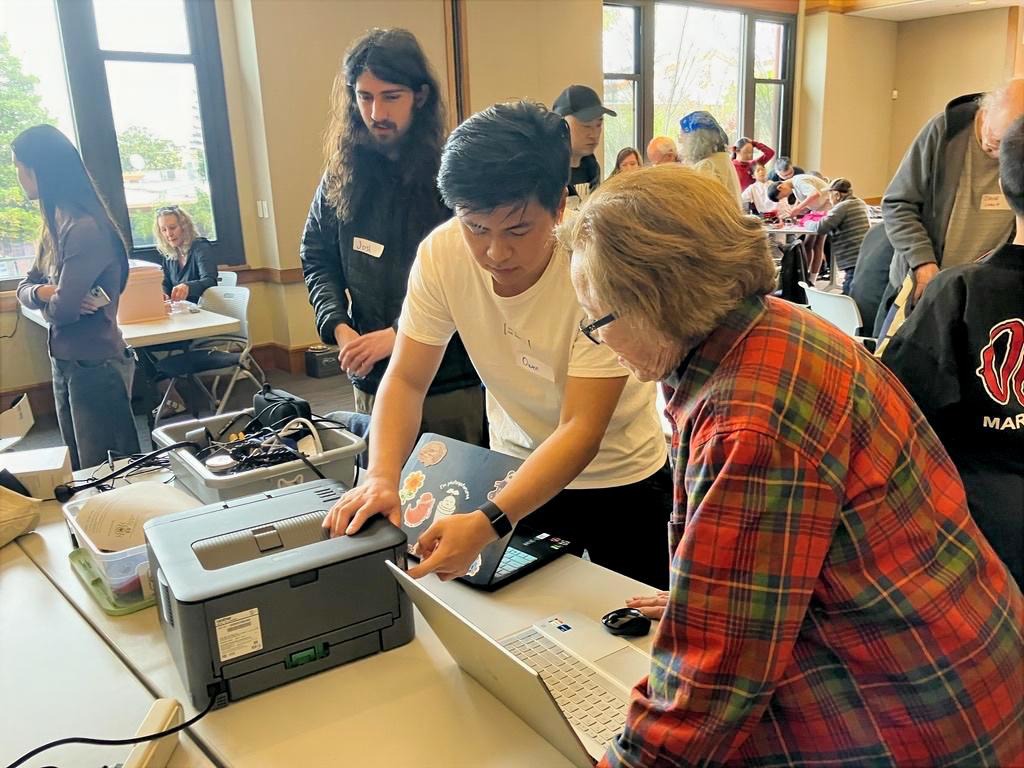
Fixit Clinics are fun community-based workshops where neighbors, friends, and families work collectively to learn how to repair broken items. We’ll provide a workspace, specialty tools, and volunteer Fixit Coaches to help you troubleshoot and provide routine maintenance to your household items and appliances! Register at https://bit.ly/itemcheckin.
Interested in being a Fixit Coach?
It’s easy! Provide participants with 1) guidance on tools and 2) encouragement to investigate their broken item. Let them talk about how they used it and how it broke. That often provides valuable hints as to what’s wrong. See how much you can do without actually handling the item. Empower the item’s owner to do the troubleshooting and disassembly. Register to be a Fixit Coach here.
This event is hosted in partnership with the San Mateo County Libraries.