

Climate Action in Your Kitchen: How to Prevent Food Waste
Think back to your last trip to the grocery store: maybe you purchased some more veggies to try out a new recipe, or bought extra food in bulk because there was a sale. If you were to take a look in your trash can right now, how much of that purchase would you find? Odds are, it may be more than you expect, and you’re not alone. According to the Environmental Protection Agency, a family of four is estimated to lose $3000 each year on food that never gets eaten — an average of up to $56 a week. What you may find even more surprising is that the food waste you produce at home is actually a significant contributor to climate change.
When thrown out to landfill, decomposing food releases one of the most harmful greenhouse gases, methane, into the atmosphere. About a third of all food in the United States goes uneaten, with most of the food waste ending up in landfills. By preventing food waste before it even reaches the trash, you can help reduce the negative health effects of climate change, plus save your family money and have fun in the process! Here are some tips to help you get started.
At the Grocery Store
- Prepare a list (and your stomach!): Writing out a list of items to find at the store can allow you to be more thoughtful and intentional about your purchases. In addition, eating food before going shopping can make a positive difference in your shopping experience. You’ll buy more than you need when you’re feeling hungry or are not prepared, so not only will you reduce food waste with this tip, but also save money!
- Pick versatile ingredients and stock up the pantry: Non-perishable staples like rice noodles, beans, and pasta are perfect for rounding out your meals if you have some veggies or fruits that will spoil soon. Also, going for more versatile perishable items such as spinach, onion, or potatoes allows you flexibility in the kitchen and can reduce the amount of food that gets wasted. Make sure to have some sauces and spices on-hand to liven up your dishes, too!
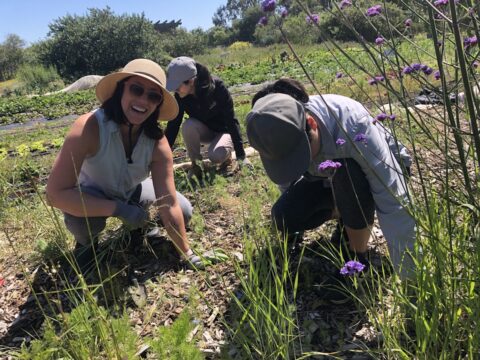 Shop local and get outside: Attending a nearby farmer’s market or volunteering at a garden harvest day is a perfect way to get outside, find healthy products, and support your community. Organizations throughout San Mateo County offer classes, nutrition resources, and other great programming to teach residents about gardening and share local produce. For example, Fresh Approach offers volunteer opportunities in East Palo Alto, like monthly community garden workdays, as does the Heal Project with community farm days in Half Moon Bay.
At Home
- “Flexipes”, or flexible recipes: Putting together catch-all recipes or medley dishes is a great way to use up food before it goes bad, be creative in the kitchen, and add some variety to your meals. Examples can include soup broth, stir-fry, stews and soups, pizza and flatbreads, and smoothies and juices, like the recipes linked below from Bay Area-based organizations and authors.
- Free Zero-Waste Vegetable Broth from Scraps (and a host of other zero-waste recipes) by Anne-Marie Bonneau, aka Zero Waste Chef
- Eggplant Tofu Stir Fry (and lots more plant-based recipes) from Acterra
- Mix and Match Grain Bowl (and a full recipe library) from Second Harvest
- Shelf organization and meal prep: Sorting items in your fridge using a more organized system can help you remember what you still have and how soon you need to use it. This could mean organizing by most-to-least time-sensitive (like having a designated “Eat Me First” shelf), or writing out meals for the week using a magnetic whiteboard on your fridge. Putting high-priority items like greens in a more visible part of the fridge, or stacking containers of prepared meals in another area, are some ways to keep things sorted, s
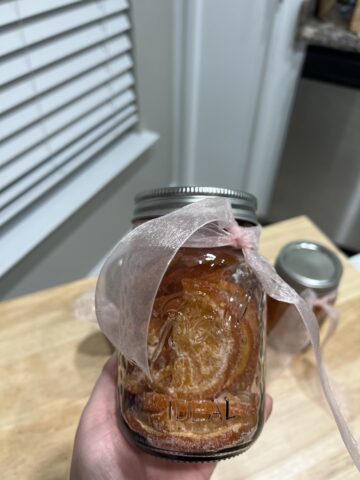 o you don’t forget what you already have. Washing and reusing glass jars from store purchases, like marinara or applesauce, can make for great free food storage for prepping meals. You can also buy dishware second-hand or exchange with neighbors.
- Freezing leftovers and understanding “best by” dates: Another way to preserve food before spoiling is to store it in your freezer for later use in some of those “flexipes” like soups and smoothies. When it comes to determining when your food will spoil, it helps to know that “BEST by” refers to the peak quality of food, whereas “USE by” concerns food safety. Rather than tossing out your cartons or cans immediately on the “BEST by” date, know that those products will still be safe to eat for a bit longer. A new state law on food date labeling (AB 660) is set to go into effect on July 1, 2026, which will standardize the terminology used for products in an effort to lessen confusion for consumers and help reduce food waste. Going forward, food product labels will only list ‘Quality Dates’ (aka “BEST if Used or Frozen by”) to indicate peak freshness of an item, or ‘Safety Dates’ (aka “USE by or Freeze by”) to indicate when an item is no longer safe to eat.
- Composting and repurposing: Something you can also try is baking eggshells or banana peels, crushing them up, and using them as plant fertilizer. Putting this in glass jars with repurposed ribbons as a bow can make a great gift for any gardeners in your life too! If you are interested in learning how to create your own compost, the San Mateo County Sustainability Department hosts free composting workshops and provides additional educational resources online for at-home
 composting. You can also find a local community garden if you are interested in learning more about composting and gardening!
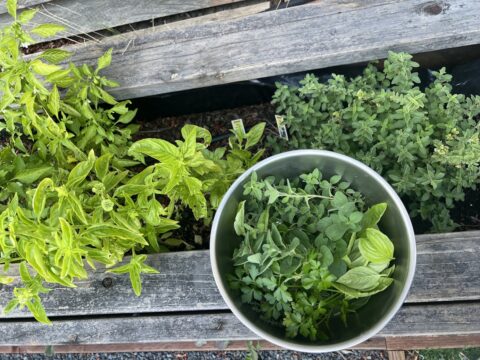
- Home gardening: Saving components of chopped veggies can be a pretty handy way to start gardening at home. If you set aside the bulbs and roots of your green onions or scallions and place them in a cup of water, they will resprout and can even be transferred to a pot of soil to last longer! Local libraries also put on workshops to teach residents about indoor seed sowing. Planting herbs at home is a fun way to add some fragrance and color to your kitchen, and fairly easy to get started.
From adjusting your shopping habits to trying out new recipes and learning how to compost, there are many ways to take part in creating a more sustainable future! These small actions to reduce food waste are crucial in the fight against climate change and can collectively shape our response for years to come.
Beyond your household, restaurants and supermarkets are other notable sources of food waste where a tangible impact can be made. Edible food recovery helps address food insecurity and reduces unnecessary food waste by taking surplus inventory or leftover meals from these locations and distributing them to those in need. Read more about the county’s Edible Food Recovery Program, and check out great organizations like HealthWays, Peninsula Food Runners, Samaritan House, and Second Harvest of Silicon Valley for more information and ways to get involved!


